



News
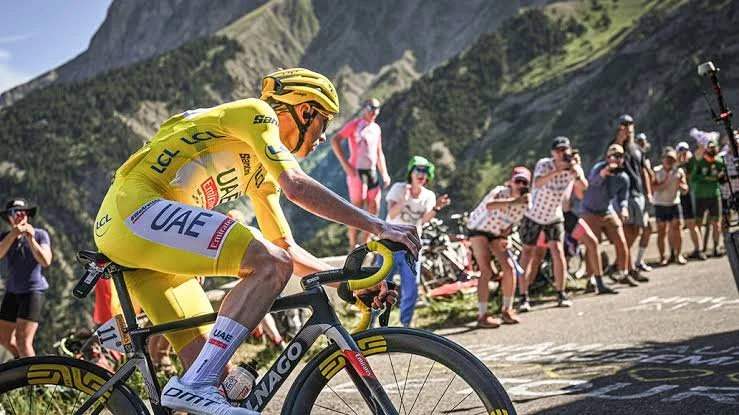
As the Tour de France gets underway, the world is once again watching one of sport’s most iconic events move through cities, towns, mountains and natural landscapes.
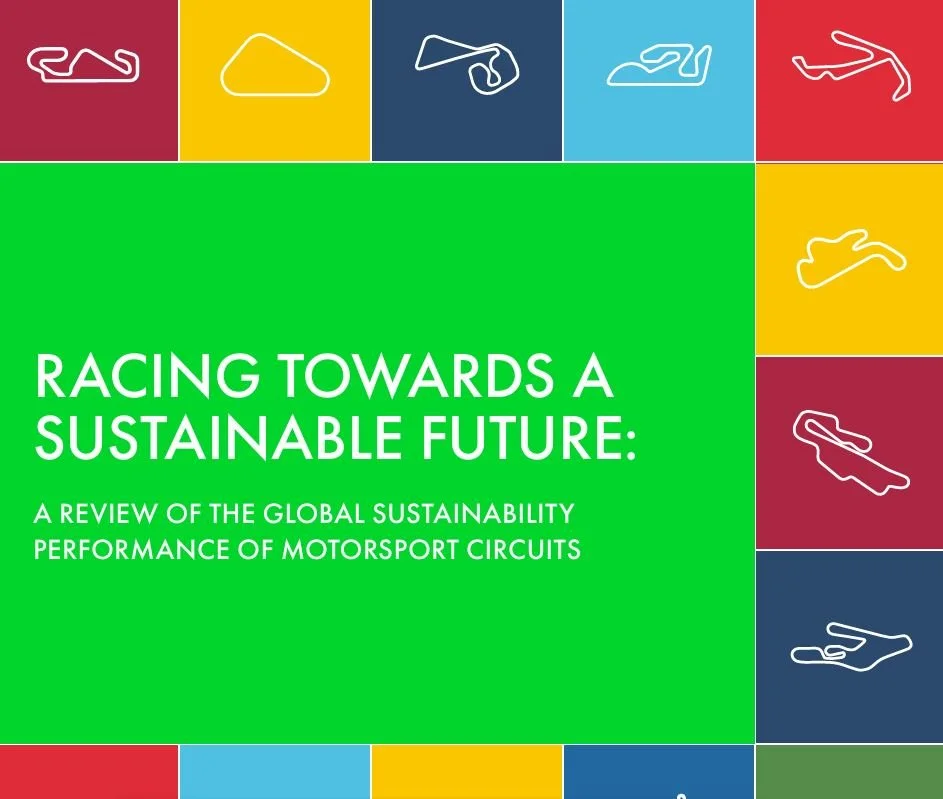
Sydney Motorsport Park has been recognised among the top 16 most sustainable permanent motorsport circuits in the world in the 2026 Sustainable Circuits Index™.
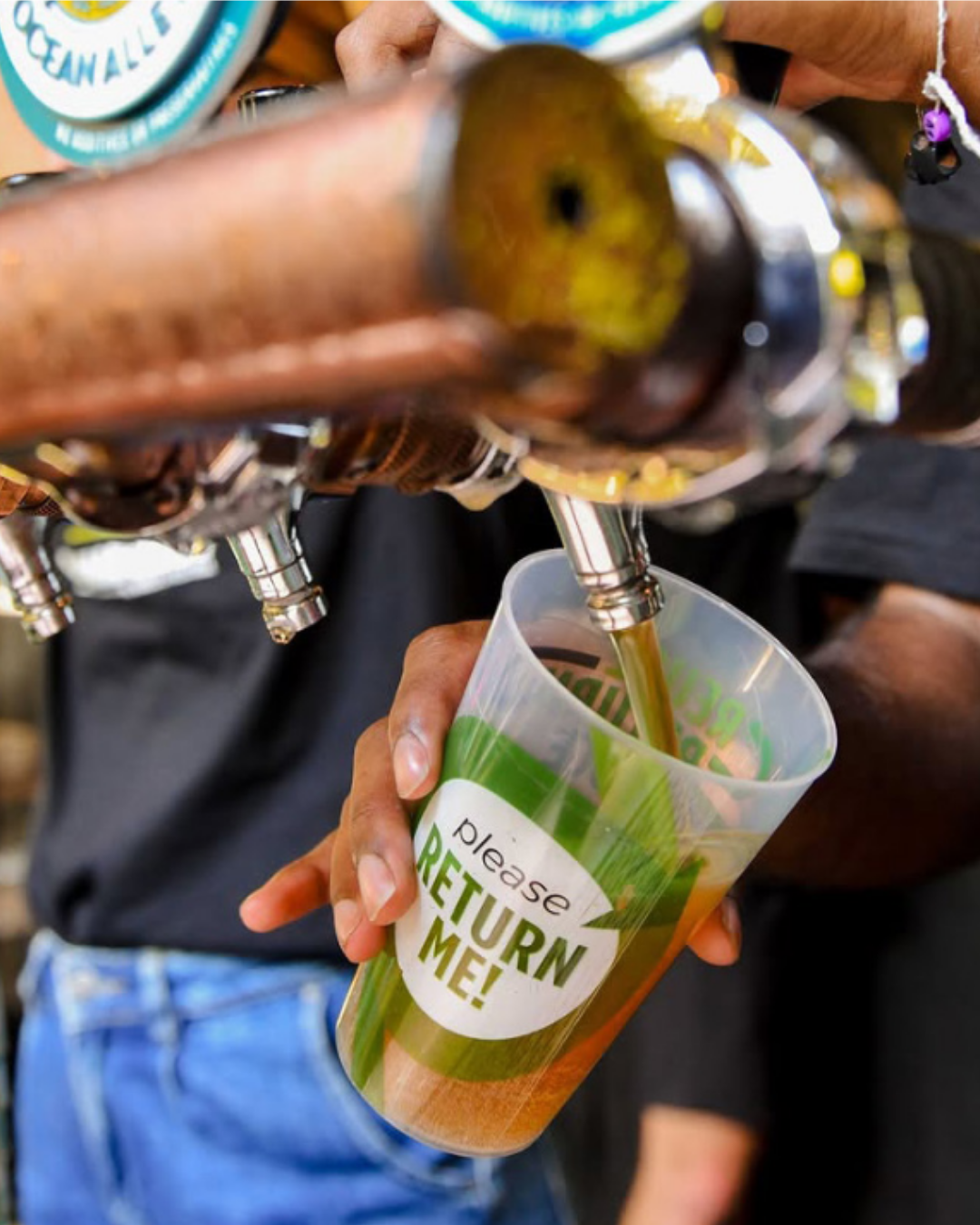
The elimination of single-use plastics across all major Australia sports and entertainment venues and the co-ordinated strategic adoption of reusables will deliver significant environmental, operational and commercial benefits according to an independent study conducted by Quayclean Australia.
Thank you, Sustainability Victoria: where to find key circular economy resources from 30 June 2026
Community sport clubs across Australia may soon have a valuable opportunity to improve their facilities, reduce energy costs and build resilience to a changing climate.
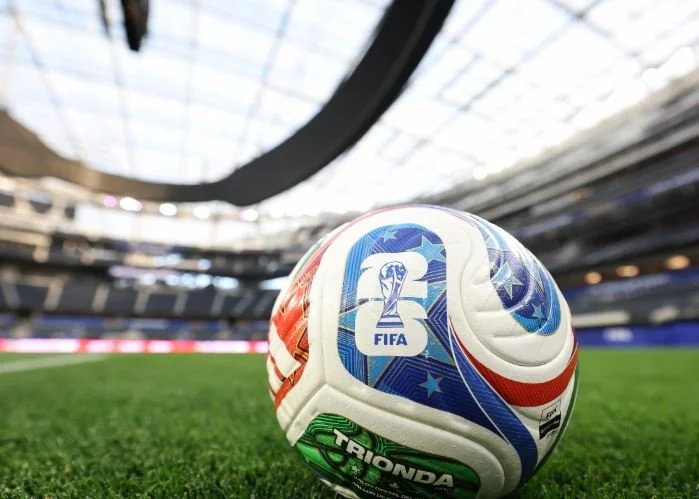
Reuters has reported that the 2026 FIFA World Cup is putting urban heat risk in the spotlight, with concerns around player and fan safety, match scheduling, shade, cooling measures and the way host cities manage extreme conditions.
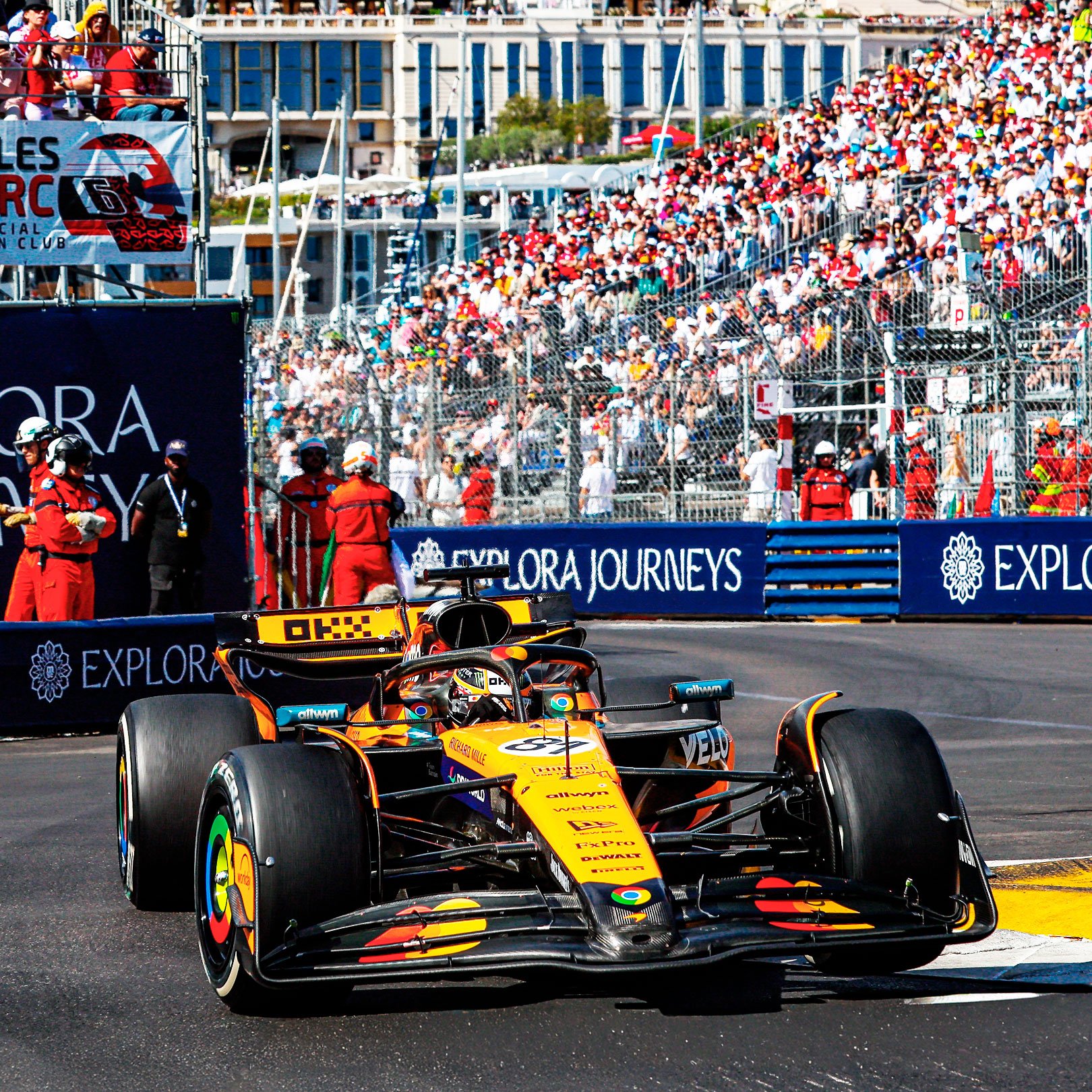
The Monaco Grand Prix wrapped up after a weekend that delivered everything the event is known for: speed, spectacle, heritage, tight streets, global attention and one of the most distinctive settings in sport.
Last month was a big one at SEA, and it showed just how much momentum is building across sport and sustainability.
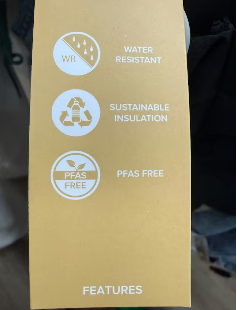
A new piece published by The Conversation has put a sharper lens on something many in sport and sustainability have suspected for a while now - that not all “high-performance” activewear is as clean, or as green, as it’s marketed to be.
A recent piece from The Guardian has sharpened a conversation that has been quietly building across the sports sector. Climate change is no longer just something affecting sport. Sport itself is becoming one of the most effective ways to communicate it.
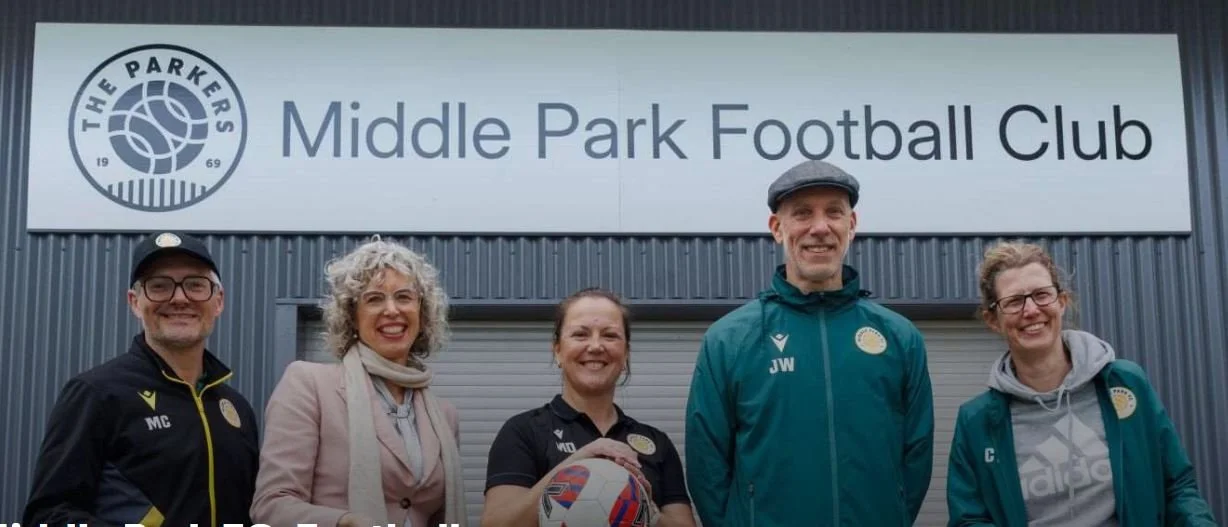
Across Victoria, sports clubs are proving that small actions can lead to meaningful impact - both on and off the field.
We recently ran a member and community survey at the Sports Environment Alliance. It wasn’t a large sample, but it didn’t need to be. The patterns were consistent, and they told a story that will feel familiar to anyone working in this space.
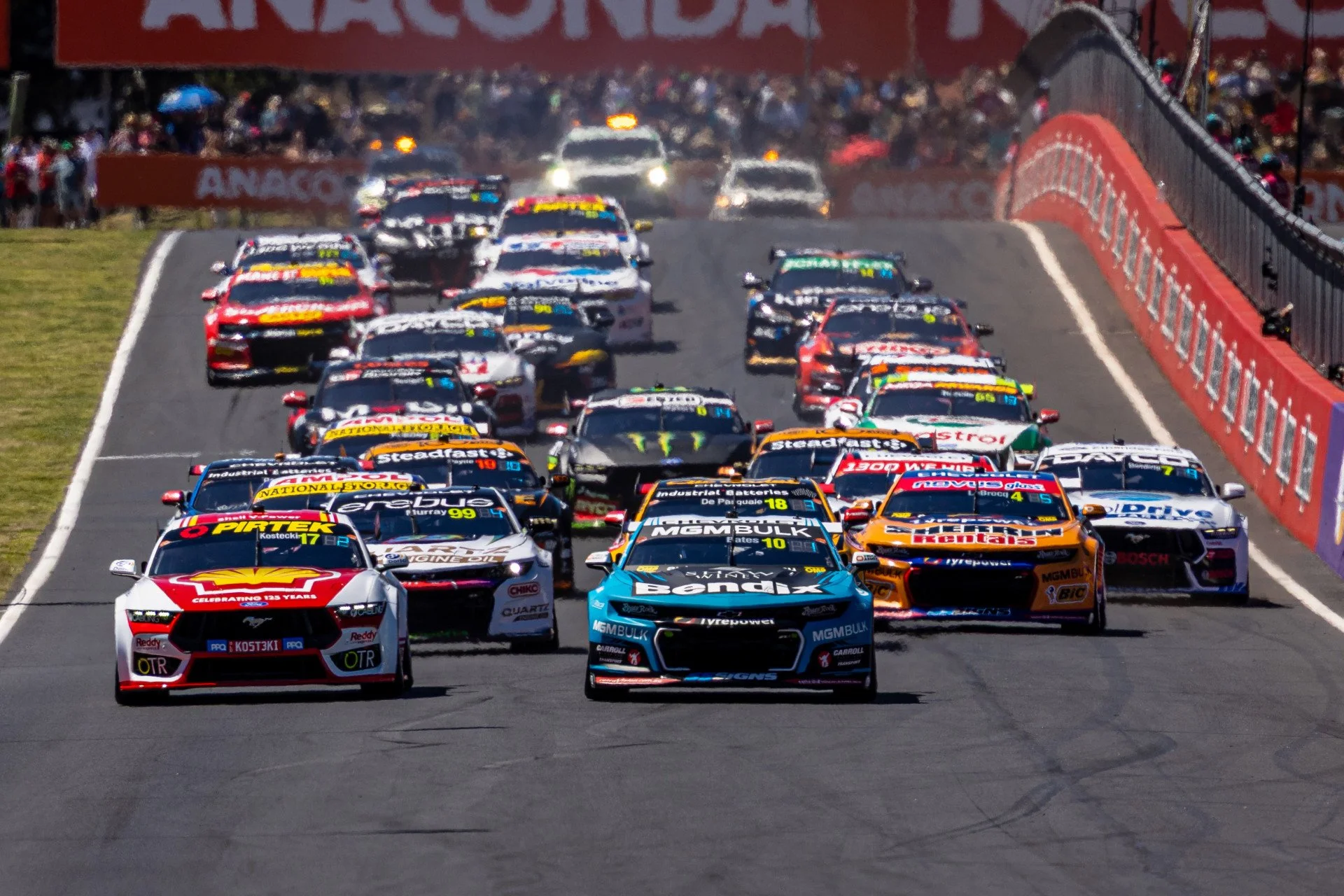
The 2026 Formula 1 season opened in Melbourne at Albert Park, where the Australian Grand Prix again showcased how one of the world’s largest sporting events is working to reduce its environmental footprint.
The City of Darebin’s Northcote Aquatic and Recreation Centre (NARC) has been recognised at the MAVlab Innovation Awards 2025, taking out the Systems and Cycles Award for Regenerative Design. The award celebrates projects that rethink traditional infrastructure models and deliver measurable environmental and community benefits.
While winter sport has always adapted to weather variability, climate change is shifting the baseline. Research commissioned by the International Olympic Committee has found that as global temperatures rise, the number of climatically reliable host locations is expected to decline significantly over coming decades. Under mid-range emissions scenarios, only around half of previously suitable host regions may remain viable by the 2050s
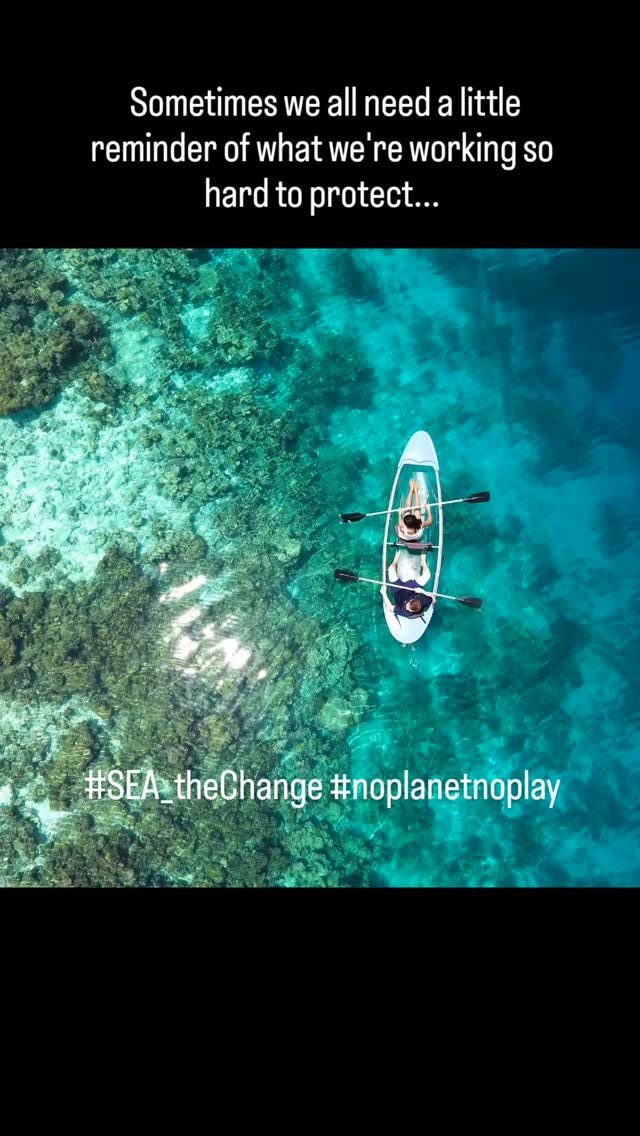
Be part of the conversation and #SEA_theChange
Follow us on Twitter
Follow us on Instagram