
Green Sport Alliance - Energy Decarbonization Playbook
A venue can consume as much energy during a single football game as 10,000 homes would use in the same period. Given the scale of energy consumption, addressing energy decarbonization is critical and offers significant opportunities for reducing greenhouse gas (GHG) emissions.

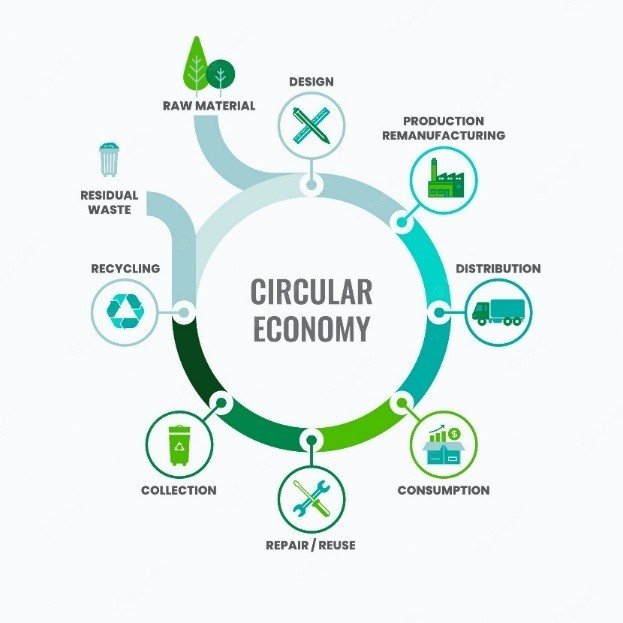
How to implement a successful waste reduction, recycling and circular economy strategy
Circularity is unequivocally becoming part of the thinking for major events and facilities. Whether it's switching to reusable plates and utensils to creating compost from food waste, it is important to identify opportunities for circularity. Collaboration between suppliers and end-users is crucial. To invoke change, waste needs to be thought of as a commodity or potential revenue stream, which would make circularity more financially attractive.
How to implement a sustainable procurement strategy in your sporting organisation
Procurement is a powerful lever to drive change, and sustainable procurement is a tool to support implementation of environmental and circular economy goals, especially around waste reduction. Here, Katherine Ponton, from the Recycled First, Markets Acceleration Team, Sustainability Victoria speaks around the importance of driving sustainability through sustainable procurement.
Self-Assessment to future proof sport and recreation
We live in a country that is known equally for its natural beauty and for its sporting culture. And yet, even though we are the 55th largest country by population, Australia was the world’s 15th largest greenhouse gas emissions in 2015

Guide to future proof sport and recreation
This roadmap has been designed to support all the incredible people who care to share their time for sport and recreation, to those who deliver opportunities for all to play, and to those who want to protect all the good that sport and recreation provides to our community and to all who share the love we have to watch and play.